
2026 Tech Trends That Will Drive an Equitable Food System
From Forecasts to Food Deserts By 2026, the fight against food waste is an urgent dual mission: profit optimization and social equity. Driven by a national goal from the U.S. government (USDA, EPA, FDA) to cut food loss and waste by 50% by 2030 (USDA & EPA, 2024), the system is adopting integrated, technology-driven strategies to prevent waste and close the access gap in food deserts (areas with limited access to affordable, fresh food). 2026 Trends to Watch: The Digital
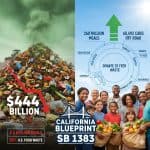
$444B Fix: The California Blueprint to End U.S. Food Waste
The United States wastes 38% of its total food supply every year, resulting in an economic drain exceeding $444 billion, approximately 2% of US GDP. The U.S. still has a long way to go to meet the 2030 goal set by the EPA for reducing 50% of food waste by 2030. To tackle this crisis, the solution must move beyond simple recovery and focus on prevention at the source. Food Waste in California Californians send 2.5 billion meals worth of still-fresh,
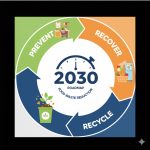
Roadmap 2030: How to Prevent Food Waste, Recover, and Recycle?
Food waste is a huge problem with local, state, and national impacts, representing one of the most immediate opportunities to fight climate change and improve food security. The Scope, Goals, and Climate Impact The scale of food waste is staggering. Nationally, 30-40% of the food supply is never eaten (Source: USDA). This massive waste is a primary driver of methane, a powerful greenhouse gas (GHG) that is over 80 times more potent than carbon dioxide in the short term, with